
Used Office Chairs for Sale from Ufficio Furniture

Updated: Aug 27
A good chair is one of those purchases people notice every day, usually when it is wrong. A seat that sinks, a backrest that does not support the spine, or armrests that sit too high can turn a normal workday into a sore one. Buying used can solve the problem without paying new-chair prices, but only if the chair is clean, adjustable, and built to last.
That is where a careful seller matters. A used office chair for sale from Ufficio Furniture should be judged by more than the price tag. The real value comes from condition, comfort, fit, and whether the chair still has years of practical use left in it.
This guide walks through what to look for, which chair features matter most, and how to choose a used chair with confidence.
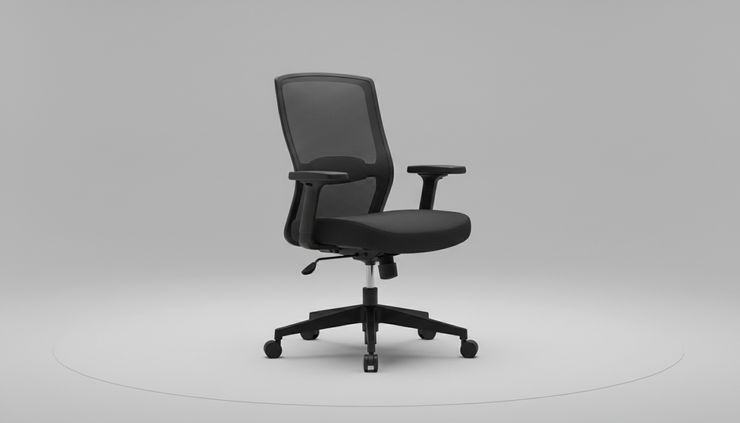
Why used office chairs can be a smart buy
A well-made office chair is designed for repeated movement, weight shifts, and long sitting sessions. Many commercial-grade chairs are built with stronger frames, better casters, and more adjustment points than low-cost new chairs. When one of these chairs is sold used in good condition, it can offer strong value.
Used chairs also make sense when furnishing more than one workspace. Buying one chair is simple. Buying five, ten, or twenty can be expensive fast. Used seating can help control costs while still giving people chairs that feel supportive and dependable.
There is also a sustainability reason. Furniture that still works should not be rushed to a landfill. A used chair that gets cleaned, inspected, and resold keeps useful materials in circulation. That matters, especially with items that include metal, plastic, foam, and fabric.
The key is to avoid treating “used” as a single category. A lightly used ergonomic chair and a worn-out bargain chair are not the same thing. The difference shows up in the frame, lift cylinder, padding, fabric, and adjustment controls.
What makes a used chair worth buying
The best used chairs share a few clear traits. They do not need to look brand new, but they should feel stable, move smoothly, and support the body in a natural seated position.
A solid frame and base
Start with the structure. The chair should not wobble from side to side when sitting still. The five-star base should sit flat, and the casters should roll without sticking or scraping.
A chair with a shaky base may have loose hardware, worn parts, or damage that is not easy to fix. Some small issues can be tightened or repaired, but a weak frame is usually not worth the trouble.
A working height adjustment
The gas lift should raise and lower smoothly. Once set, the chair should hold its height. If the seat slowly sinks during use, the cylinder may be failing.
This is one of the most common problems with older chairs. A replacement cylinder may be possible, but the repair should make sense compared with the chair’s price and quality.
Comfortable seat foam
Seat foam loses support over time. A chair can look clean but feel flat after a few minutes. The seat should have enough cushion to support weight without feeling hard or uneven.
Watch for:
Deep dents that do not spring back
Lumpy padding
Edges that feel collapsed
Fabric pulling away from the cushion
Good seat foam helps reduce pressure and keeps the chair comfortable during longer use.
Clean upholstery
Fabric, mesh, vinyl, and leather all age differently. Mesh should feel tight, not saggy. Fabric should be clean and free from strong odors. Vinyl should not be peeling. Leather should not have large cracks or dry patches.
Minor cosmetic wear is normal in a used chair. Stains, tears, odors, and heavy fraying are bigger concerns.
Adjustments that still work
The best chair is the one that can fit the person using it. A chair with broken controls may look fine but fail where it matters.
Useful adjustments include:
Seat height
Tilt tension
Tilt lock
Armrest height
Lumbar support
Seat depth, when available
Not every chair needs every adjustment. But every control that is included should work as expected.

How to match the chair to the way it will be used
Not every used office chair needs to do the same job. A chair for occasional paperwork has different needs than one used for full workdays.
For all-day seated work
For long sitting sessions, prioritise ergonomic adjustment. Look for a supportive backrest, dependable lumbar support, a seat that fits the body well, and arms that can move into a relaxed position.
A good all-day chair should let the sitter keep feet flat on the floor, shoulders relaxed, and elbows close to the body. The backrest should support the lower back without pushing the person too far forward.
Mesh backs can be comfortable for airflow. Upholstered backs can feel softer and warmer. Neither is automatically better. Fit matters more than material.
For shared workstations
Shared chairs need simple, durable controls. If several people will use the same chair, quick adjustment becomes more important. Seat height should be easy to change, and the chair should feel comfortable for a range of body types.
For shared use, choose chairs with:
Strong bases
Easy-clean materials
Simple height and tilt controls
Neutral sizing
Durable armrests
A highly customised chair may be great for one person and awkward for another.
For conference or guest seating
Guest chairs do not always need the same ergonomic features as task chairs. Comfort still matters, but the chair may not need deep adjustment.
For this use, condition and appearance carry more weight. The chair should be stable, clean, and easy to move if needed. Stackable or nesting chairs can be helpful when space changes often.
For home work areas
A home work chair needs to fit the room as well as the body. Size matters. A bulky chair can crowd a small bedroom or corner workspace. Before buying, measure the available space and check the chair width, depth, and height.
Think about flooring too. Hard casters can mark some surfaces, while soft casters or a chair mat may protect floors.
What to inspect before buying
A quick inspection can prevent a bad purchase. It does not need to be complicated. Take a few minutes and check the chair from top to bottom.
What to check | What good condition looks like | Warning signs |
Seat height | Moves smoothly and holds position | Sinks after adjustment |
Backrest | Feels stable and supportive | Wobbles, cracks, or leans unevenly |
Seat cushion | Springs back and feels even | Flat spots, lumps, or hard edges |
Casters | Roll freely on a flat surface | Sticking, scraping, or missing wheels |
Armrests | Stay firm and adjust if designed to | Loose pads or broken height settings |
Upholstery | Clean, intact, and odor-free | Tears, heavy stains, peeling, or smell |
Tilt control | Locks and releases properly | Jammed controls or sudden slipping |
If buying online, ask for clear photos of the seat, back, base, armrests, and controls. A reliable listing should show the chair honestly, including normal wear.
If viewing in person, sit in the chair for more than a few seconds. Adjust the height. Lean back. Roll it a short distance. Listen for grinding sounds. Check the underside for missing knobs, exposed screws, or cracked plastic.
A chair can look good from the front and still have problems underneath. The underside tells a lot about how the chair was used and maintained.

The value of buying from a furniture seller instead of a random listing
Used furniture can come from many places. A private seller may offer a low price, but the buyer often has to judge everything alone. There may be limited details, uneven photos, and no easy way to compare several options.
A furniture seller can make the process simpler. A shop that handles used seating regularly is more likely to group similar chairs, describe condition clearly, and offer a better sense of what is available. That helps buyers compare chair types side by side.
Ufficio Furniture can be a useful source for used seating because the purchase starts with selection, not guesswork. Instead of chasing scattered listings, buyers can focus on finding the right fit among chairs intended for work use.
When browsing used chairs, look for clear answers to basic questions:
What brand or model is the chair, if known?
What condition is it in?
Are there visible marks or repairs?
Do the height and tilt controls work?
Is the chair sold as-is, cleaned, refurbished, or inspected?
Are multiple matching chairs available?
Those answers help separate a fair used-chair deal from a risky one.
Key features that are worth paying attention to
Some chair features sound minor until they affect daily comfort. When comparing options, give extra attention to the parts that shape posture and ease of movement.
Lumbar support
Lower-back support is one of the biggest differences between a basic chair and a better ergonomic chair. Built-in lumbar support can help maintain the natural curve of the lower spine.
Adjustable lumbar support is even better, especially when the chair will be used for long hours or by different people. It should feel supportive without creating pressure.
Seat depth
Seat depth affects leg comfort. If the seat is too deep, it can press behind the knees. If it is too shallow, it may not support the thighs well.
A good fit leaves a small gap between the front edge of the seat and the back of the knees while the back rests against the backrest.
Armrests
Armrests should support relaxed shoulders, not force them up. Height-adjustable arms are useful because people vary in size.
Check the pads for cracks, looseness, and sticky surfaces. Worn arm pads are common on used chairs. They may be replaceable on some models, but that should be factored into the purchase.
Tilt and recline
Recline lets the body shift position during the day. The tilt should feel controlled, not loose or sudden. Tilt tension is helpful because it allows the chair to match body weight and preference.
For task work, a tilt lock can keep the backrest steady. For reading or calls, a gentle recline can be more comfortable.
Caster type
Casters should match the floor. Standard hard casters work well on carpet but may be rough on hard floors. Softer casters can be better for tile, wood, vinyl, or laminate.
If the chair is right but the wheels are wrong, replacement casters may be an affordable fix.
How to think about price and value
The cheapest chair is not always the best deal. A low price means little if the chair needs repair or becomes uncomfortable after a week. Value comes from the balance of price, condition, comfort, and expected lifespan.
A higher-quality used chair may cost more than a new budget chair, but it may offer better adjustability and stronger construction. This is especially true with chairs originally made for commercial use.
Use these questions to judge value:
Does the chair fit the person who will use it most?
Are all major controls working?
Is the seat cushion still supportive?
Are any repairs needed right away?
Would the chair still feel like a good buy after several months of use?
A good used chair should feel like a practical purchase, not a gamble.
If buying for a team or shared space, consistency can matter too. Matching chairs create a cleaner look and make maintenance easier. If one chair needs a part later, the same model may use the same components.
Cleaning and care after purchase
Even when a used chair arrives clean, a little care helps it feel ready for everyday use.
Start with a simple wipe-down. Use a mild cleaner that matches the chair material. Avoid soaking fabric or mesh, since too much moisture can damage padding or leave odors behind.
For fabric seats, vacuum the surface and seams. For mesh, brush away dust gently and wipe the frame. For vinyl or leather, use a cleaner made for that material and test a small hidden area first.
Check and tighten visible screws if needed. Remove hair or debris from casters. If wheels still do not roll smoothly, replacement casters may be easier than repeated cleaning.
A few habits can extend the life of the chair:
Keep the chair away from direct heat and harsh sunlight
Avoid standing on the seat
Clean spills quickly
Check loose parts before they become bigger issues
Use the right casters for the floor type
Small maintenance steps can keep a used chair comfortable and presentable for years.

When a used chair is not the right choice
Used chairs are often a smart option, but not every chair is worth buying. Some problems are easy to live with. Others are signs to walk away.
Skip a used chair if it has:
A sinking gas lift
A cracked base
Strong odors
Torn mesh or exposed foam
A backrest that will not stay upright
Missing controls
Heavy rust
Unstable arms or frame damage
Cosmetic marks are normal. Structural issues are different. A scuff on the frame may not matter. A cracked support point does.
It is also better to pass on a chair that feels wrong for the body, even if the condition and price are good. Comfort is not only about softness. It is about fit, support, and movement. If the seat cuts into the legs or the backrest hits the wrong spot, the chair will likely become frustrating over time.
A simple way to choose the right chair
When comparing several used chairs, narrow the choice in this order.
Fit
The chair should match the body and the way it will be used.
Function
Height, tilt, arms, casters, and back support should work properly.
Condition
Look for clean upholstery, stable structure, and supportive padding.
Value
Compare the price with the chair’s quality, age, and expected use.
Appearance
Once the basics are right, choose the style and finish that suit the space.
This order helps avoid a common mistake: buying the chair that looks best but feels poor. A work chair is a tool. It should make sitting easier, not just fill a space.
The takeaway for buying from Ufficio Furniture
Used office chairs for sale from Ufficio Furniture can be a practical choice for homes, teams, shared work areas, and growing organisations. The best purchase is not simply the lowest-priced chair. It is the chair that fits well, adjusts properly, feels stable, and still has useful life left.
Look closely at the frame, lift, cushion, casters, upholstery, and controls. Ask direct questions when details are not clear. Give comfort and function more weight than surface appearance.
A good used chair should support the work, blend into the space, and make daily sitting feel easier. Choose with care, and used can feel less like a compromise and more like a smart buy.
Ufficio Furniture-Your Office Furniture Solution!
Our Address: 1215 Meyerside Drive, Unit 7 Mississauga, ON L5T 1H3
Contact:
Call us at:
Store Number: 905-795-2506(10am-7pm)
#1) [647-898-8918]
#2) [647-955-1206]
For more furniture: www.ufficiofurniture.com
Business Hour:
MONDAY: 10am-7pm
TUESDAY: 10am-7pm
WEDNESDAY: 10am-7pm
THURSDAY: 10am-7pm
FRIDAY: 10am-7pm
SATURDAY: 10am-7pm
SUNDAY: 11am-6pm
No appointments required. Just walk in during the business hours Mississauga.
Same day or next day delivery available.


Comments