
Used Chair for Sale from Ufficio Furniture
- office furniture

- 7 days ago
- 10 min read
A good chair should not be a gamble. The right used chair can feel solid, look sharp, and cost far less than buying new. The wrong one can squeak, sag, wobble, or leave you replacing it sooner than expected.
That is why buying used furniture works best when you know what to check before you commit. A chair may look clean in a photo, but comfort, frame strength, casters, fabric condition, and adjustment range matter just as much. Ufficio Furniture can be a practical place to look for pre-owned seating, especially if the goal is value without settling for something worn out.
This guide explains what to look for in a used chair, how to judge quality, and how to choose one that fits your space, body, and budget.
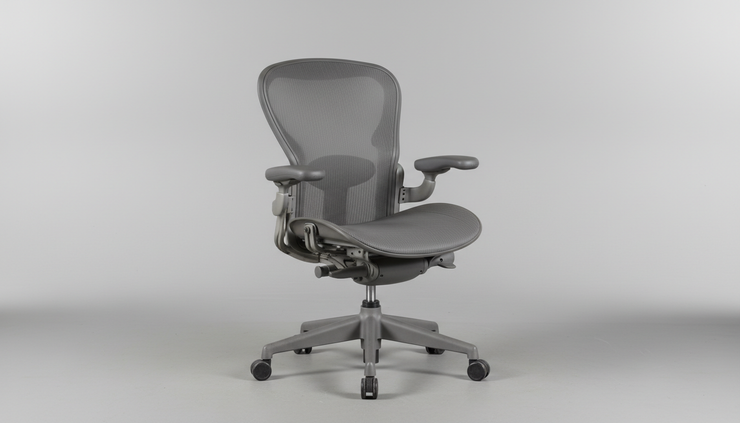
Why a used chair can be a smart buy
A chair takes daily wear, but many quality chairs are built to last for years. That makes the used market worth checking. A well-made chair with some cosmetic wear can still offer better support than a cheap new chair made with lighter parts.
The main reason people buy used is simple: better value. Instead of paying full price for a new chair, you may be able to get a stronger frame, better materials, and more adjustment features for less.
Used chairs also make sense when:
A temporary setup needs to feel comfortable without a large spend
A growing space needs several matching or similar chairs
A durable chair matters more than a brand-new appearance
Sustainability is part of the buying decision
The buyer wants to inspect real condition before choosing
Buying used also keeps furniture in circulation. A sturdy chair that still has years of life should not end up discarded just because a room was remodeled or a set was replaced.
That said, not every used chair is a good deal. A low price means little if the seat cushion is flat, the gas lift sinks, or the backrest no longer locks. The goal is to find a chair with the right mix of comfort, condition, and price.
What makes a used chair worth buying
A used chair should pass three tests before it earns a place in your space. It should feel stable, support the body well, and show honest wear rather than serious damage.
The frame should feel solid
The frame is the core of the chair. If it twists, creaks loudly, leans to one side, or feels loose, move on. Small squeaks can happen with used seating, but the chair should not feel unstable.
Check the base, arms, back support, and seat connection. A strong frame gives the chair a longer second life.
Good signs include:
No major wobble when seated
A base that sits evenly on the floor
Armrests that do not shift or rattle
A backrest that stays firm under pressure
Hardware that looks secure, not stripped or missing
If a chair feels weak before purchase, it will not get better with regular use.
The cushion should still hold shape
Seat foam tells a lot about a used chair. If the cushion has a deep dip, hard spots, or thin edges, comfort may fade quickly. Good foam should compress when seated, then return to shape.
A lightly used cushion may show small fabric creases. That is normal. A badly worn cushion often looks flattened and feels uneven.
For fabric chairs, check for stains, odors, fraying, and worn seams. For leather or vinyl, look for cracks, peeling, sticky texture, or stretched panels. With mesh chairs, inspect the tension. Mesh should feel firm, not loose like a hammock.
The adjustments should still work
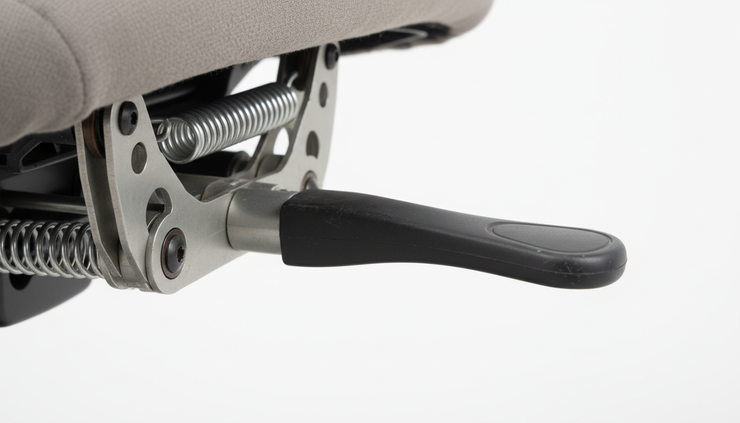
Many better chairs include adjustable height, tilt, armrests, lumbar support, or recline tension. These features only matter if they work.
Test every lever and knob. Raise and lower the chair. Lean back and lock the recline if the chair has that feature. Adjust the arms. Turn the tension control. If anything sticks, grinds, or does not hold position, factor that into the decision.
A chair with working adjustments can fit more people and more tasks. A chair with broken adjustments may still look fine, but it can become uncomfortable fast.
How to inspect a used chair before buying
A careful inspection does not need to take long. Five minutes can reveal most deal breakers.
Start with the chair upright on a flat surface. Look at it from the front, side, and back. The seat should look level. The back should not lean oddly. The base should not bend or spread unevenly.
Then sit in it. A chair can pass every visual check and still feel wrong.
Use this simple inspection order:
What to check | What to look for | Why it matters |
Seat cushion | Even support and no deep sagging | A flat cushion can cause discomfort |
Backrest | Firm support and no loose movement | The back needs to hold position |
Height lift | Smooth rise and no sinking | A failing lift makes the chair hard to use |
Casters | Rolling without sticking or cracking | Damaged wheels can scratch floors |
Armrests | Level, secure, and comfortable | Loose arms become annoying quickly |
Fabric or surface | Clean material with no major tears | Repairs may cost more than expected |
Odor | Neutral smell | Strong odors are hard to remove |
Hardware | No missing screws or stripped bolts | Loose parts can affect safety |
Pay special attention to the gas lift. Sit on the chair for a minute or two after raising it. If it slowly sinks, the cylinder may be failing. Replacing a cylinder can be possible, but it adds time and cost.
Casters matter too. Worn or stuck wheels can damage flooring. If the chair will sit on hardwood, tile, or vinyl plank, consider the caster condition carefully.
For a chair with a headrest, check whether it stays in place. For a chair with lumbar support, make sure it meets the lower back in the right spot. Features that do not align with the body may not help, even when they work.
Which type of used chair should you choose
The best chair depends on how it will be used. A chair for long daily sitting should not be chosen only by appearance. A chair for a guest room, reading corner, or short work session can be simpler.
Task chairs suit everyday use
Task chairs are often the most flexible option. They usually have height adjustment, swivel movement, casters, and some back support. Many are compact enough for smaller rooms.
Look for a used task chair if comfort and movement matter. A chair with adjustable arms and a supportive back will usually serve better than a fixed chair for longer sitting.
Ergonomic chairs offer more support
An ergonomic chair usually has more ways to adjust the fit. That may include lumbar support, seat depth, tilt tension, recline lock, and adjustable arms.
This category is worth considering if the chair will be used for long stretches. The more time spent sitting, the more fit matters. A used ergonomic chair in good condition can be a strong buy because these chairs often cost much more when new.
Do not assume the word ergonomic means the chair will fit. Sit in it and check the support. The best chair is the one that matches the person using it.
Conference-style chairs work for short sitting
Some chairs have a fixed base, padded seat, and simple back. They can look clean and feel comfortable for short use, but they may not offer enough support for long sessions.
These chairs can work well for waiting areas, guest seating, or occasional use. They can also be easier to place in rooms where casters are not needed.
Side chairs are useful for flexible seating
Side chairs are simple, easy to move, and often affordable. They can suit dining corners, reception-style spaces, spare rooms, or multi-use areas.
When buying used, check the legs and joints. A side chair should not rock unless it was designed to. Stackable chairs should stack evenly and show no cracks around the frame.
What to expect from Ufficio Furniture
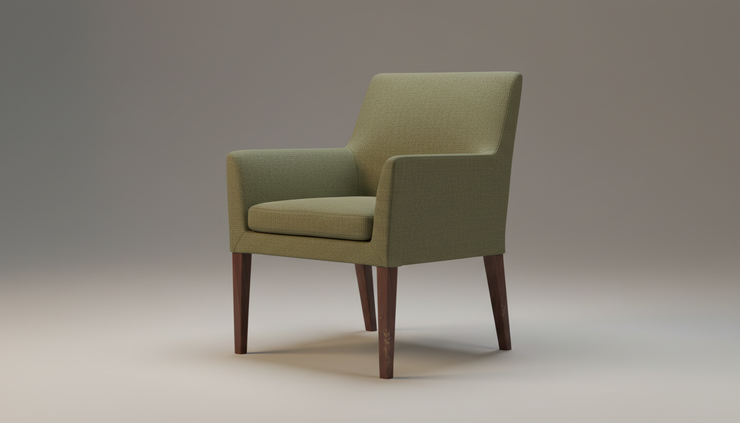
When searching for a Used Chair for Sale from Ufficio Furniture, treat the process like a careful match rather than a quick grab. Inventory can change, and used items are usually available based on what has come in, what has been cleaned, and what is ready to sell.
The advantage of a furniture seller is that chairs may be grouped by style, condition, or intended use. That can make comparison easier than buying from a random one-off listing. It may also be easier to ask practical questions about condition, quantity, pickup, delivery, and availability.
Before buying, ask clear questions:
Is the chair available as a single item or part of a set?
Are there several chairs in similar condition?
Has the chair been cleaned or inspected?
Do all adjustments function?
Are there visible tears, stains, cracks, or missing parts?
What is the return or exchange policy, if any?
Can the chair be viewed before purchase?
Are delivery or pickup options available?
These questions matter because used furniture is condition-based. Two chairs of the same model can feel different if one has seen heavy use and the other has not.
If buying several chairs, do not judge the whole set from one sample. Inspect a few from the group. Check that the seat height, color, fabric wear, and parts are reasonably consistent.
How to compare price and value
The cheapest used chair is not always the best deal. A higher-priced chair in better condition may last longer and feel better every day.
Think in terms of cost per year of use. A chair that costs a bit more but stays comfortable for years can be a better value than one that needs replacement soon.
When comparing options, weigh these factors:
Build quality
Comfort during actual sitting
Condition of cushion and fabric
Working adjustments
Brand or model reputation, if known
Ease of repairs or replacement parts
Delivery or pickup cost
Fit for the room
A used premium chair with worn fabric may still be a worthwhile buy if the structure and mechanisms are strong. A chair that looks new but uses weak parts may not be.
The real question is not, “Is this chair cheap?” The better question is, “Will this chair solve the seating need well for the price?”
Cleaning and preparing a used chair
Even a clean used chair benefits from a basic refresh before daily use. The method depends on the material, but the first step is always the same: remove dust and loose debris.
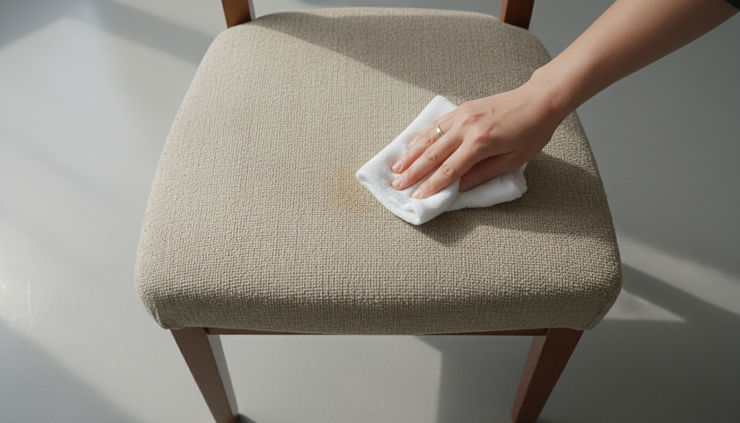
For fabric seating, vacuum the seat, seams, back, and underside. Use an upholstery-safe cleaner only after testing a hidden area. Avoid soaking the cushion, since too much moisture can cause odor or slow drying.
For mesh, vacuum both sides if possible. Wipe the frame with a damp cloth and mild soap. Let everything dry fully before sitting for long periods.
For leather or vinyl, use a gentle cleaner made for that surface. Do not use harsh chemicals, which can dry or damage the material. If the surface is already cracking or peeling, cleaning may improve appearance only slightly.
Also check the casters. Hair, thread, and lint can wrap around wheels and make them stop rolling smoothly. Remove what you can and wipe the wheels clean. If a caster is cracked or stuck, replacement may be simple if the chair uses common stem sizes.
A little care at the start can make a used chair feel much newer.
Red flags that should make you walk away
Some issues are easy to accept. Light fabric wear, small scuffs on the base, or minor scratches on plastic parts may not affect use. Other problems point to a chair that may not be worth the money.
Be cautious if you notice:
A seat that tilts sideways
A gas lift that sinks after adjustment
A cracked base or broken caster socket
Strong smoke, mildew, or chemical odor
Torn mesh that has lost tension
Loose arms that cannot tighten
Recline parts that slip or fail to lock
Missing hardware
Signs of pests
Water stains or mold-like marks
Odor deserves special attention. Surface dirt can often be cleaned. Deep smells in foam or fabric can be stubborn. If the chair has a strong odor during inspection, assume it will take work to remove, and it may never fully disappear.
Structural damage also matters more than cosmetic wear. A scratch is usually harmless. A cracked base is not.
How to know when you have found the right chair
A good used chair should feel comfortable within the first few minutes. The feet should rest flat on the floor or on a footrest. The knees should bend comfortably. The back should feel supported without forcing an awkward posture. The arms, if present, should not push the shoulders up.
The chair should also fit the space. Measure before buying, especially if the room is small. Check seat width, overall height, back height, and base width. Remember that a swivel chair with casters needs room to move.
If looks matter, choose a chair with wear that matches the setting. A few small scuffs may be fine in a casual room. A chair with stained fabric may not be the right choice for a public-facing area or a polished interior.
The right used chair usually has this balance:
It feels steady
It supports the body well
It has no major odors or damage
It fits the room
It works with the budget
It has enough life left to justify the price
Used does not have to mean second-best. With the right inspection, a pre-owned chair can be a smart, comfortable, and responsible purchase.
A better way to buy used seating
Buying a used chair from Ufficio Furniture can be a practical move when value and quality matter. The key is to judge the chair, not just the price tag. Sit in it if possible. Test every adjustment. Look closely at the cushion, frame, casters, and surface. Ask about condition and availability before making a decision.
A used chair earns its place when it feels stable, supports daily use, and fits the space without needing major repairs. Start with those standards, and the search becomes much easier.
Ufficio Furniture-Your Office Furniture Solution!
Our Address: 1215 Meyerside Drive, Unit 7 Mississauga, ON L5T 1H3
Contact:
Call us at:
Store Number: 905-795-2506(10am-7pm)
#1) [647-898-8918]
#2) [647-955-1206]
For more furniture: www.ufficiofurniture.com
Business Hour:
MONDAY: 10am-7pm
TUESDAY: 10am-7pm
WEDNESDAY: 10am-7pm
THURSDAY: 10am-7pm
FRIDAY: 10am-7pm
SATURDAY: 10am-7pm
SUNDAY: 11am-6pm
No appointments required. Just walk in during the business hours Mississauga.
Same day or next day delivery available.



Comments