
Used Desk for Sale from Ufficio Furniture
- office furniture

- Aug 4
- 9 min read
A good desk does not have to be brand new to be worth buying. In many cases, a used desk gives you the same function, the same work surface, and the same dependable structure for far less than the cost of new furniture.
That is the appeal of a used desk for sale from Ufficio Furniture. The right pre-owned desk can help furnish a home workspace, study room, reception area, creative studio, or shared work zone without overspending. It can also be a smarter choice when quality matters more than showroom perfection.
Used furniture shopping does take a little more care. You need to know what to inspect, which measurements matter, how to judge condition, and what type of desk fits the way the space will be used. This guide walks through the details so the buying process feels practical, not risky.

Why a used desk can be a smart buy
Buying used is often framed as a compromise. With desks, that is not always true.
Many commercial-grade desks are built for years of daily use. They often have thicker tops, stronger frames, better hardware, and more stable construction than low-cost flat-pack alternatives. If a desk has already held up well, that can be a useful clue about its durability.
A used desk also lets buyers stretch a furniture budget. That matters when furnishing more than one room or replacing several workstations at once. Instead of putting the full budget into basic new pieces, it may be possible to choose better materials, larger surfaces, or more useful storage.
There is also a practical sustainability benefit. Reusing furniture keeps usable materials in circulation longer. A desk that still has a strong frame and clean work surface should not be treated as waste just because it is not new.
The best used desk purchase usually comes down to three things:
Condition
The desk should be stable, clean, and structurally sound.
Fit
The size, shape, and storage should match the room and the task.
Value
The price should make sense when compared with quality, age, and any delivery or setup needs.
When those three line up, used furniture can be one of the most sensible purchases in a workspace plan.
What makes Ufficio Furniture a useful place to look
A used desk is easier to evaluate when it comes from a furniture-focused seller rather than a random listing with two blurry photos. Ufficio Furniture’s appeal comes from the idea of shopping through a dedicated furniture source, where desks are grouped, described, and presented with workspace needs in mind.
Inventory can change, especially with used furniture. That is part of the process. One week might bring simple rectangular desks, while another could include L-shaped models, height-adjustable options, or desks with built-in storage. Because the selection is not static, it helps to search with a short list of needs rather than one exact model in mind.
A careful shopper should look for clear information on:
Desk dimensions
Surface material
Frame type
Storage features
Visible wear
Quantity available
Pickup, delivery, or shipping options
Assembly requirements
Good listings make it easier to compare pieces quickly. Photos should show the top, sides, legs, drawers, edges, and any areas with wear. If a desk is part of a matching group, it helps to know whether the pieces are identical or only similar.
The goal is not to find a desk that looks untouched. The goal is to find one that has aged well and will still serve its purpose.
Choose the right type of used desk
Not every desk supports the same kind of work. Before looking at finishes or prices, start with the shape and function.
Desk type | What it is best for | What to check before buying |
Rectangular desk | Simple work surfaces, laptops, writing, study areas | Width, depth, legroom, cable access |
L-shaped desk | Larger layouts, dual monitors, paperwork, corner placement | Right-hand or left-hand return, room clearance |
Desk with drawers | Storage for supplies, files, and personal items | Drawer slides, locks, handles, interior wear |
Standing or height-adjustable desk | Work that alternates between sitting and standing | Lift function, stability, controls, height range |
Bench-style desk | Shared stations or multi-user setups | Privacy needs, spacing, power access |
Executive-style desk | Larger rooms, storage, statement pieces | Weight, delivery path, surface condition |
A rectangular desk is usually the easiest to place. It works well against a wall, near a window, or as a clean writing surface. For a bedroom, small studio, or flexible room, this may be the safest choice.
An L-shaped desk gives more surface area without making everything feel spread out. It can be useful for someone who uses multiple screens, keeps reference materials nearby, or needs one side for equipment and the other for writing.
A desk with built-in drawers can reduce the need for separate storage. The tradeoff is legroom. Always check the knee space and drawer placement before buying.
Height-adjustable desks need extra attention. Test the lift if possible. The desk should rise and lower smoothly, stay level, and feel steady at full height. If it has electric controls, ask about the working condition of the motor and controller.

Measure before falling in love with a desk
A desk can look perfect online and still be wrong for the room. Measurements prevent that.
Start with the available floor space. Leave enough clearance behind the chair to sit down and stand up comfortably. If the desk will sit near a doorway, closet, radiator, floor vent, or window, include those obstacles in the plan.
For most desks, three measurements matter most:
Width
This determines how much side-to-side surface area you get.
Depth
This affects monitor distance, writing space, and how far the desk projects into the room.
Height
This affects posture, chair fit, and comfort.
Standard desk height often falls around 29 to 30 inches, but comfort varies by person and chair. If a desk is fixed height, make sure the chair can adjust to fit it. Feet should rest flat on the floor or on a footrest, shoulders should stay relaxed, and elbows should sit near a comfortable working angle.
Also measure the delivery path. This is easy to forget. A large used desk may need to pass through stairs, corners, elevators, hallways, or narrow doorways. If the desk cannot be disassembled, the path matters as much as the room.
For L-shaped or executive desks, sketch the footprint before buying. Use painter’s tape on the floor if needed. That simple step can reveal whether the desk will crowd the room, block movement, or make outlets hard to reach.
How to inspect a used desk before buying
A used desk should show normal signs of life. Light scratches, small scuffs, and minor edge marks are common. Structural problems are different. Those should affect the decision.
Check the desk from top to bottom.
Look at the work surface
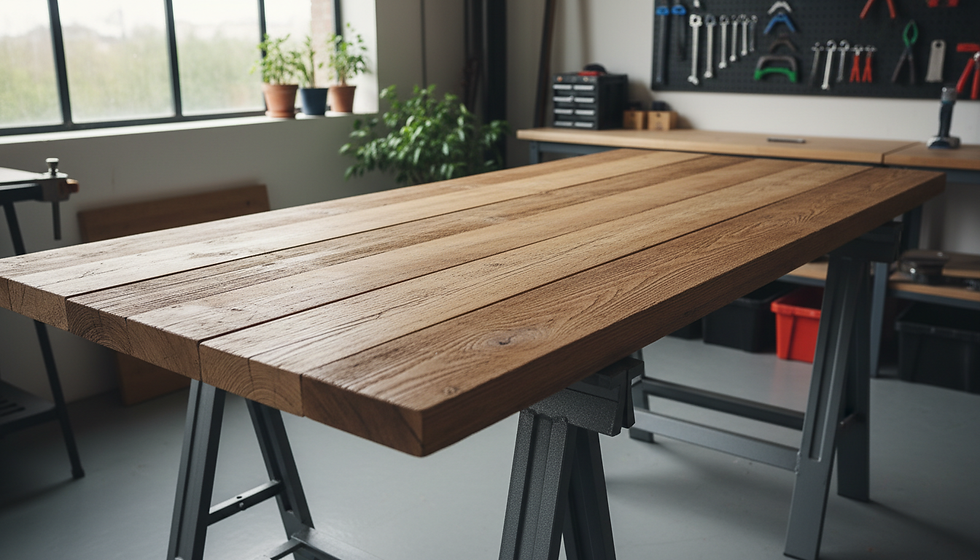
The top should be flat, solid, and free from major swelling. Pay close attention to edges and corners because those areas often show the most wear. Laminate can chip. Wood veneer can peel. Solid wood can dent or stain.
Small cosmetic marks may not matter, especially if the desk will hold a monitor, lamp, or mat. Deep gouges, soft spots, bubbling, and water damage are bigger concerns.
Test the stability
A desk should not wobble during normal use. Light movement can sometimes be fixed by tightening hardware or adjusting leveling glides. A frame that twists, rocks, or feels loose may be harder to correct.
Check where the legs meet the top. Look for missing screws, stripped holes, cracked supports, or bent metal.
Open every drawer
If the desk has storage, test each drawer. It should open smoothly and close without scraping. File drawers should support weight without sagging. Handles should feel secure.
If locks are included, ask whether keys are available. A missing key may not matter to everyone, but it should be clear before purchase.
Inspect cable openings and accessories
Many desks include grommets, modesty panels, keyboard trays, or cable channels. These parts can add value if they are intact. Broken accessories can also create sharp edges or loose parts.
If cable access matters, check where the openings sit. A grommet in the wrong place may not help with the actual setup.
Match the desk to the way it will be used
A desk is not only furniture. It shapes daily habits. A beautiful desk that does not support the work will quickly become frustrating.
For laptop use, a smaller surface may be enough. Add space for a notebook, lamp, and charging cable, and the setup is complete.
For dual monitors, depth becomes more important. Screens need enough distance from the chair, and the surface should be wide enough for a keyboard, mouse, and any speakers or dock.
For paperwork, choose more horizontal space. A desk with a return or side credenza can help separate computer work from reading, writing, or sorting documents.
For creative work, the surface material matters. A textured top may not suit drawing or cutting. A glossy surface may show glare. A darker finish may hide marks, while a lighter finish can make a compact room feel more open.
For shared use, simple shapes tend to work best. A sturdy rectangular desk can serve students, guests, hobbyists, and remote workers without locking the room into one purpose.
The best used desk is the one that fits the room, supports the task, and still feels solid after close inspection.
What to expect from normal wear
Used furniture has a history. That history should be visible in reasonable ways.
Normal wear may include:
Light surface scratches
Small marks on legs or edges
Minor finish variation
Slight fading
Small chips in hidden areas
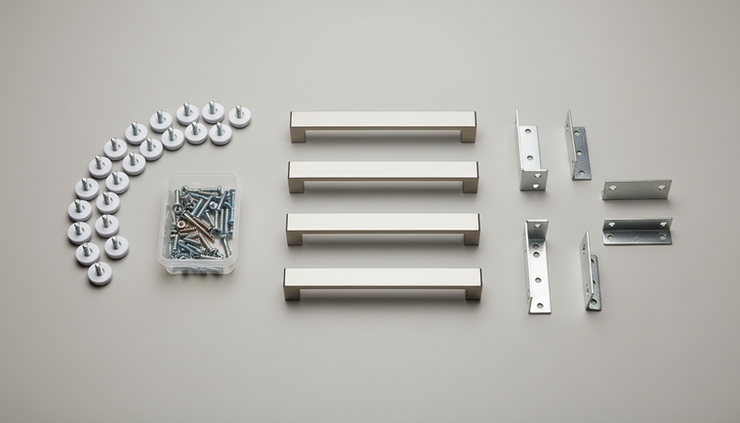
Replaced hardware
These issues are often acceptable if the desk is priced fairly and remains sturdy.
More serious issues include:
Water swelling
Warped surfaces
Strong odors
Deep cracks
Rust that affects strength
Missing structural parts
Drawers that do not function
Unstable legs or frame
Condition should match the intended use. A desk for a garage hobby area can tolerate more wear than a desk placed in a front-facing reception space. A desk for a child’s homework zone may not need to look perfect, but it should be safe, sturdy, and easy to clean.
If buying online, ask for extra photos when needed. Request close-ups of the top, edges, underside, and storage areas. If a listing mentions wear, ask where it is and whether it affects function.
Think about finish, material, and maintenance
The material of a desk affects how it looks, feels, and holds up.
Laminate desks are common in commercial furniture. They are easy to clean and often resist everyday wear well. The main weak points are chipped edges and water damage near seams.
Wood veneer has a warmer look and can feel more refined. It needs a little more care. Deep scratches may be harder to repair if the veneer layer is thin.
Solid wood can be durable and repairable, but it is often heavier. It may show dents, color changes, or movement from humidity. For some buyers, that character is part of the appeal.
Metal frames add strength and a cleaner profile. Check for bent legs, rust, and missing levelers. A metal frame with a replaceable top can be a strong long-term choice.
Glass tops need careful inspection. Chips along the edge, scratches, and stability issues are concerns. Glass can look clean, but it may show fingerprints and glare more than other materials.
Maintenance should be simple. For most used desks, a gentle cleaner, soft cloth, and regular dusting are enough. Avoid harsh chemicals unless the material can handle them. If the desk has moving parts, keep drawer tracks clear and tighten hardware when needed.
Compare price against total cost
The sticker price is only one part of the decision.
A used desk may need delivery, assembly, cleaning, minor repairs, or added accessories. A low price can still be a poor value if the desk is too heavy to move, missing key parts, or the wrong size for the room.
Before buying, add up the likely total cost:
Purchase price
Delivery or pickup expense
Assembly help
Replacement hardware
Chair mat, monitor arm, or cable tray
Cleaning supplies
Time needed to move and set up
This does not mean every used desk must be flawless. It means the full cost should still make sense after the desk is ready to use.
If two desks are close in price, choose the one with better structure. Cosmetic wear is easier to live with than wobble, water damage, or broken storage.
A simple buying checklist
Before choosing a used desk from Ufficio Furniture, run through this short checklist.
Measure the room and delivery path.
Decide on the desk shape before browsing.
Check the exact width, depth, and height.
Review photos for surface wear and edge damage.
Confirm whether drawers, locks, and hardware work.
Ask about disassembly if the desk is large.
Compare total cost, not only the listed price.
Choose structure and fit before finish.
Plan the setup before delivery or pickup.
This checklist helps keep the purchase practical. It also reduces the chance of buying based only on a photo.

Final takeaway
A used desk can be a smart, sturdy, and budget-friendly choice when it is selected with care. Focus on size, condition, structure, and daily use before getting caught up in finish or style.
Ufficio Furniture can be a useful place to look because used furniture inventory often offers more variety and value than buying new at the same budget. The key is to inspect each piece like a practical buyer. Measure first, ask clear questions, and choose the desk that fits the space as well as the work.
A desk does not need to be new to do the job well. It needs to be solid, comfortable, and right for the room.
Ufficio Furniture-Your Office Furniture Solution!
Our Address: 1215 Meyerside Drive, Unit 7 Mississauga, ON L5T 1H3
Contact:
Call us at:
Store Number: 905-795-2506(10am-7pm)
#1) [647-898-8918]
#2) [647-955-1206]
For more furniture: www.ufficiofurniture.com
Business Hour:
MONDAY: 10am-7pm
TUESDAY: 10am-7pm
WEDNESDAY: 10am-7pm
THURSDAY: 10am-7pm
FRIDAY: 10am-7pm
SATURDAY: 10am-7pm
SUNDAY: 11am-6pm
No appointments required. Just walk in during the business hours Mississauga.
Same day or next day delivery available.

Comments