
Used Furniture for Sale from Ufficio Furniture
- office furniture

- Aug 4
- 10 min read
Good furniture should not have to be new to feel dependable, comfortable, and worth the money. In many cases, used furniture offers the better value, especially when the pieces were built for daily use, inspected properly, and matched to the space before purchase.
That is the main appeal of buying used furniture from a seller such as Ufficio Furniture. Instead of starting with showroom prices and long lead times, buyers can often find commercial-grade chairs, tables, storage, reception pieces, and seating that still have years of practical life left. The key is knowing what to look for before deciding what belongs in your space.
Used furniture is not only about saving money. It is also about buying smarter. A well-made pre-owned chair can outlast a cheap new one. A solid storage cabinet can solve a layout problem without requiring a custom order. A set of matching tables can help refresh a workplace, studio, classroom, or shared room without wasting usable materials.

Why used furniture can be a smart buy
New furniture comes with a simple promise. It has never been used. That sounds reassuring, but it does not always mean better construction, better comfort, or better value.
Used commercial furniture often starts from a higher quality level than low-cost new furniture. Many pieces were made for heavy daily use. That can mean stronger frames, better hardware, thicker upholstery, and replaceable parts. When these items are still in good shape, they can be a practical way to furnish a space without stretching the budget.
The best used furniture purchases usually offer three benefits.
Lower cost without settling for flimsy pieces
A pre-owned item may cost less because it is no longer new, not because it is poorly made. This matters with chairs, storage, tables, and lounge seating. A sturdy used piece from a respected commercial line can be more satisfying than a lightweight new item built mainly to meet a low price.
Faster availability
Used furniture is often already in stock. That can help when a room needs to be furnished quickly or when a business, school, studio, or home workspace is being set up on a timeline. Availability still varies, so it is best to confirm quantities and condition early.
Less waste
Reusing furniture keeps functional materials in service. Wood, metal, plastic, foam, and fabric all require resources to produce. Buying pre-owned can be a sensible choice when the item is clean, safe, and suited to the job.
Buying used does require more care than buying new. The goal is not to grab the cheapest item. The goal is to find the best match between condition, comfort, size, cost, and purpose.
What to look for before choosing a piece
Used furniture should be judged in person when possible, or through clear photos and detailed descriptions when buying remotely. A piece can look fine at a glance but still have problems that affect daily use.
Start with the structure. For seating, check whether the frame feels stable. Sit in the chair if possible. Rock gently from side to side. Listen for creaks that suggest loose joints. Test tilt, height adjustment, casters, and arms. If a chair has a task mechanism, make sure it moves smoothly and locks where it should.
For tables and case goods, check for wobble, soft corners, swollen panels, failing laminate, or bent metal. Small scuffs are common with used furniture. Deep cracks, water damage, unstable legs, and missing hardware are bigger concerns.
Upholstery deserves a close look. Light wear may be acceptable, especially on pieces used in busy areas. Stains, odors, torn seams, and flattened cushions can be expensive or difficult to correct. If the furniture will be used by visitors, clients, students, or staff, appearance matters as much as function.
A simple inspection list can prevent regret later.
What to check | Why it matters | Green light |
Frame stability | Weak structure affects safety and comfort | No wobble, cracks, or loose joints |
Moving parts | Adjustments should work without sticking | Smooth lift, tilt, locks, and wheels |
Upholstery | Fabric condition affects hygiene and appearance | Clean surface, firm cushion, intact seams |
Edges and corners | Damage can worsen with daily use | Minor scuffs only |
Size and clearance | Furniture must fit the space and traffic flow | Measured before purchase |
Quantity match | Sets can be harder to complete later | Enough matching pieces available |
Do not ignore scale. A chair might be comfortable but too large for the room. A storage unit might be useful but block a walkway. A table might seat the right number of people but leave too little clearance around it.
The measuring stage is not exciting, but it saves money.
Common used furniture categories worth considering
Used furniture is not one single category. Some items are better candidates than others. A well-built file cabinet can be a low-risk purchase. A heavily worn sofa may require more caution. The right choice depends on how the piece will be used.
Seating that supports real daily use
Chairs are among the most common used furniture finds. Task chairs, guest chairs, stacking chairs, stools, and lounge chairs all show up in pre-owned inventories.
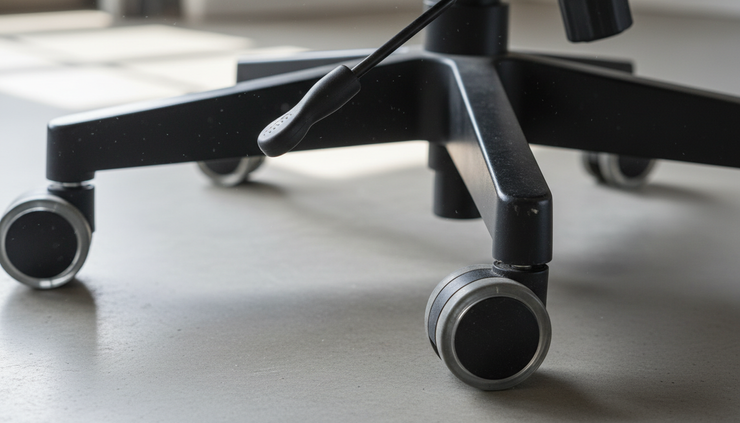
When looking at seating, comfort should come before appearance. A chair that looks sleek but causes fatigue will not be a good value. Check seat height, back support, arm condition, cushion firmness, and wheel movement. If the chair has adjustable lumbar support, test it. If it has casters, make sure they suit the floor surface or can be replaced.
For shared spaces, matching sets can make a room feel organized without requiring everything to be new. For flexible rooms, stackable or nesting seating can be especially useful.
Tables for training, meetings, projects, and shared rooms
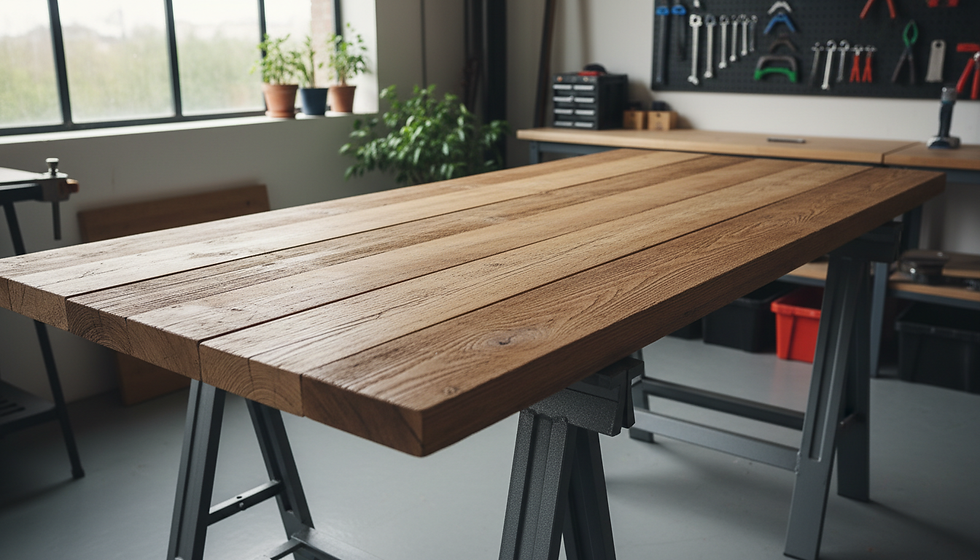
Used tables can be excellent buys when the surface is clean and the frame is strong. Look for chips, swelling, uneven legs, and damaged edges. Laminated tops are often easy to clean, but once the edge starts peeling, the problem can spread.
Think about how the table will be used. A narrow training table may work well in rows. A round table can support small-group work. A rectangular table can serve many uses, from planning sessions to project areas.
Avoid buying based only on square footage. A table needs comfortable pull-out space around it. People need room to walk behind seated users. If cables, monitors, or equipment will be used, check whether the table can support that setup safely.
Storage that keeps a space working
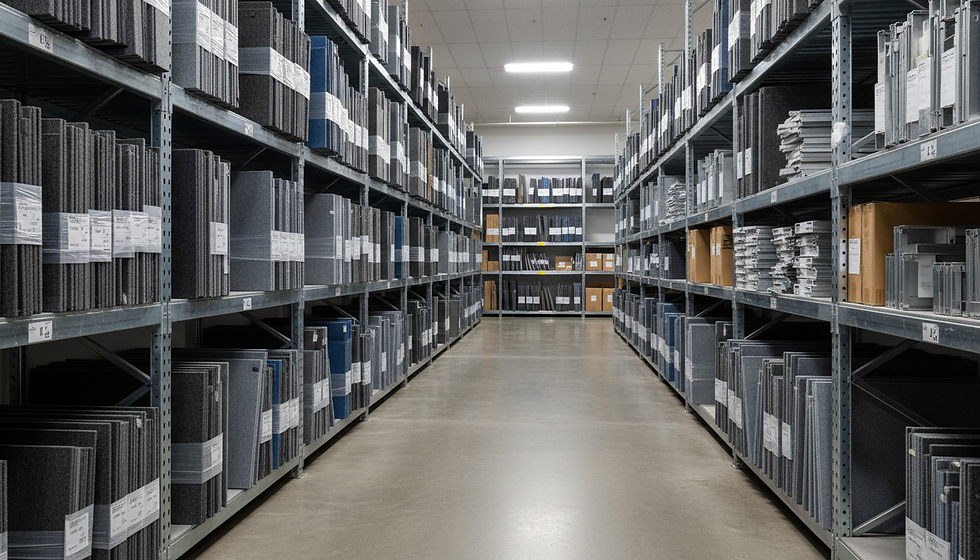
Storage pieces often age well because many are built from metal, laminate, or sturdy wood products. Used bookcases, cabinets, pedestals, shelves, and lateral files can be practical if they open smoothly and sit level.
Check drawers carefully. They should glide without scraping or dropping. File drawers should support weight without sagging. Doors should align and close fully. If a lock is included, ask whether keys are available. If keys are missing, decide whether that matters before buying.
For heavier storage, ask about delivery access. Tall or wide cabinets may not fit through narrow doorways, tight corners, basement stairs, or elevators. Measure the path, not just the room.
Lounge and reception pieces that need extra inspection
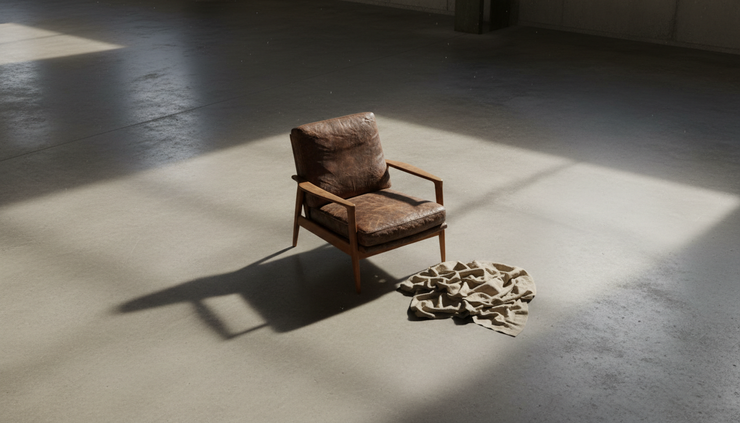
Sofas, benches, and lounge chairs can make a space feel welcoming, but they deserve a more careful check. Cushions should feel supportive, not sunken. Upholstery should be clean and free from odors. Frames should not creak under normal use.
These pieces can be worth buying used when condition is high and the style fits the space. If reupholstery is needed, factor that into the full cost. A low purchase price may not stay low after repairs, transport, and cleaning.
How to compare used and new furniture fairly
The fair question is not whether used furniture is always better. It is not. New furniture may be the right choice when exact finishes, warranties, special sizes, or large matching quantities are required. Used furniture shines when quality, availability, and cost line up.
Here is a quick way to compare the two without getting distracted by the sticker price alone.
Used furniture may be the better fit when
The item is in strong condition
The size and style work now
The budget is limited
The furniture is needed soon
A small amount of cosmetic wear is acceptable
New furniture may be the better fit when
Exact matching is required
A specific warranty matters
The piece must meet a custom specification
Wear is not acceptable
The needed quantity is large and uniform
Total cost matters more than purchase price. A used chair that needs new casters, cleaning, and delivery may still be a good deal, but those costs should be included. A used cabinet that cannot be moved into the building is not a bargain at any price.
Used furniture for sale from Ufficio Furniture should be evaluated the same way any strong pre-owned purchase should be evaluated. Look at the visible condition, ask practical questions, confirm dimensions, and make sure the piece solves a real need.
Questions to ask before buying from a used furniture seller
A good buying process is direct. The seller should be able to help confirm the basics and explain what is known about the item. This is especially important when buying multiple pieces or arranging delivery.
Ask clear questions such as:
What is the current condition of the item?
Are there visible scratches, stains, chips, or repairs?
Do all adjustments, drawers, doors, wheels, and locks work?
Are matching quantities available?
Are measurements available for width, depth, height, and seat height?
Has the furniture been cleaned or refurbished?
Is delivery available, and how is the item protected during transport?
Are returns, exchanges, or final sale terms clearly explained?
These questions are not difficult, but they reveal a lot. Clear answers build confidence. Vague answers mean the buyer should inspect more closely before committing.
When buying nationwide or arranging shipping, photos matter. Request images of the actual item when possible, not only a sample. For sets, ask whether all pieces are in similar condition. Used furniture naturally varies, so it helps to know what differences to expect.

Planning the space before anything is purchased
The best used furniture deal can still fail if it does not fit the room. Before buying, map the space in simple terms. Exact design software is not required. A tape measure, a sketch, and a list of needs can do the job.
Start with the room dimensions. Then mark fixed features such as doors, windows, columns, outlets, vents, and built-in fixtures. Measure the routes into the room, including hallways, stairs, elevators, and door swings.
Next, decide what the space must support. A training room needs different furniture than a quiet reading area. A shared workroom needs different storage than a waiting area. Let the use of the room guide the purchase.
A practical plan should answer four questions.
How many people will use the space at once?
This affects seating, table size, storage access, and walking clearance.
What activities need to happen there?
Writing, teaching, meeting, waiting, sorting materials, and working on equipment all require different furniture.
What must stay flexible?
Stacking chairs, nesting tables, and movable storage can help a room serve more than one purpose.
What needs to last the longest?
Spend more attention, and sometimes more money, on items that will get constant use.
A simple rule helps: buy the pieces that solve daily problems first. Decorative items can wait. Comfort, safety, storage, and movement through the room matter more than a perfect look.
How condition grades can affect expectations
Used furniture is often described by condition, though terms vary by seller. One seller’s “excellent” may be another seller’s “good.” That is why descriptions should be supported by photos or inspection.
General condition levels often look something like this:
Condition level | What it usually means | Best use |
Like new | Minimal visible wear | Public-facing spaces or high-priority rooms |
Very good | Light signs of use | Shared rooms, training areas, daily seating |
Good | Noticeable wear but fully functional | Back rooms, storage areas, budget-focused setups |
Fair | Cosmetic or minor functional issues | Short-term use, repair projects, low-visibility spaces |
These labels are only useful when paired with details. A chair with light fabric wear might be fine. A chair with a broken height adjustment is a different issue. A cabinet with small scratches may work perfectly. A cabinet with bent drawer slides may frustrate users every day.
Photos should show the full item and close-ups of wear points. For chairs, that means arms, seat edges, wheels, and controls. For tables, that means corners, legs, and surfaces. For storage, that means drawers, hinges, and tops.
Cleaning, maintenance, and extending the life of used furniture
Pre-owned furniture can serve well for years when cleaned and maintained. The right care depends on the material.
For fabric seating, vacuum first, then use a fabric-safe cleaner if needed. Always test an unseen area before applying a cleaner broadly. For vinyl or coated surfaces, mild soap and water often work better than harsh chemicals. For wood or laminate, avoid soaking edges or seams because moisture can cause swelling.
Metal storage pieces may need only wiping and light attention to moving parts. Drawer slides can often benefit from cleaning and proper alignment. Casters may need to be cleared of hair, thread, or debris.
Set a simple maintenance habit after purchase.
Wipe high-touch surfaces on a regular schedule
Tighten loose screws or bolts when noticed
Replace worn glides or casters before they damage floors
Keep heavy loads within reasonable limits
Rotate heavily used chairs if a set sees uneven use
Good maintenance protects the purchase. It also helps a mixed group of used items feel intentional and well cared for.
Making a confident final choice
Buying used furniture works best when the decision is practical, not rushed. The right piece should pass a few simple tests. It should fit the room. It should feel stable and comfortable. It should suit the way people will use the space. It should be easy to move, clean, and maintain. The price should make sense after delivery, repairs, and any needed supplies.
A strong used furniture purchase does not need to be perfect. Minor cosmetic wear may be acceptable if the item is structurally sound and useful. The problem comes from ignoring flaws that affect daily function, such as sagging seats, broken controls, unstable frames, or drawers that will not close.
Ufficio Furniture can be part of a practical buying plan when the goal is to find useful pre-owned pieces with clear purpose. Start with measurements, inspect condition, ask direct questions, and compare total cost rather than only the initial price.
Used furniture is at its best when it gives a good piece a second working life and gives the buyer a better result for the budget. Choose carefully, and a pre-owned chair, table, cabinet, or lounge piece can feel less like a compromise and more like the sensible choice.
Ufficio Furniture-Your Office Furniture Solution!
Our Address: 1215 Meyerside Drive, Unit 7 Mississauga, ON L5T 1H3
Contact:
Call us at:
Store Number: 905-795-2506(10am-7pm)
#1) [647-898-8918]
#2) [647-955-1206]
For more furniture: www.ufficiofurniture.com
Business Hour:
MONDAY: 10am-7pm
TUESDAY: 10am-7pm
WEDNESDAY: 10am-7pm
THURSDAY: 10am-7pm
FRIDAY: 10am-7pm
SATURDAY: 10am-7pm
SUNDAY: 11am-6pm
No appointments required. Just walk in during the business hours Mississauga.
Same day or next day delivery available.

Comments